Genetic Testing & Diagnosis
Signs of LGMD2I/R9 can begin before noticeable loss of mobility
Limb-girdle muscular dystrophy type 2I/R9 (LGMD2I/R9) presents with a wide range of symptoms, with onset from childhood through early adulthood.¹ This genetic muscle condition is characterized by progressive muscle weakness, and early signs may appear before they are recognized as part of a neuromuscular disease—contributing to diagnostic delays of many years.2-4

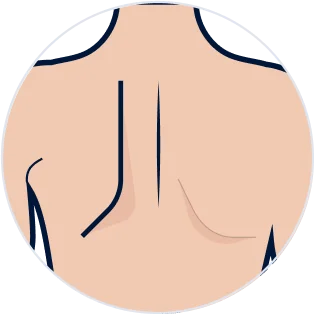



CK=creatine kinase.
Genetic testing for LGMD2I/R9 is now more accessible
Genetic testing has become more accessible, and the technology has greatly accelerated the time to diagnosis.6
There are currently several programs that offer sponsored, no-charge genetic testing to individuals:

Detect Muscular Dystrophy Program
Invitae offers sponsored, no-charge testing programs to provide access to patients who meet certain eligibility criteria for limb-girdle muscular dystrophy (LGMD). This panel analyzes genes based on currently available evidence to provide a comprehensive test for the genetic causes of LGMD.
Explore Genetic Testing
The Lantern Project
The Lantern Project offers a sponsored testing program for LGMD for patients with symptoms suggestive of LGMD, or clinical diagnosis suspected to be LGMD and requiring genetic confirmation.
Explore Genetic Testing

Timely genetic testing can change the diagnostic path.
For LGMD2I/R9, fukutin-related protein (FKRP) mutations should be confirmed through genetic testing, which offers an accurate, rapid, and noninvasive diagnosis of LGMD2I/R9.3,6
-
Start with suspicion:
When symptoms and family history raise flags5
-
Test CK levels:
Look for unexplained elevations5
-
Move to genetic testing and refer to a specialist:
Use of panels that include FKRP is recommended. Consider referring your patient to a neuromuscular specialist for further testing amid inconclusive results5
-
ASSESS GENOTYPE FOR PROGNOSIS:
Help define disease course and predict risk of loss of ambulation when combined with functional assessments7
DON’T WAIT–GENETIC TESTING IS NOW FASTER, MORE ACCESSIBLE AND MORE AFFORDABLE, SO YOU CAN TAKE ACTION TODAY.
Next-Generation
Sequencing (NGS)8
Broad neuromuscular panels that include FKRP are preferred for first-line testing.
Targeted FKRP Testing5
For patients with a strong clinical phenotype indicative of LGMD2I/ R9 or relevant ancestry (eg, Northern European descent with known founder mutations).
Whole Exome Sequencing
(WES)5
WES can be used in unresolved cases or when initial testing yields uncertain findings.

Important Coding Information
Use specific coding for patients with LGMD2I/R9 with the ICD‑10 code G71.036.